When dealing with LED screen panels that don't have a backlight, testing them can seem like a daunting task. The lack of backlight can make it challenging to assess the panel’s functionality, but with the right approach and tools, it becomes much easier. At GLOSHINE, we understand how crucial it is to perform these tests accurately, ensuring that the LED screen display manufacturers are delivering reliable products. Let’s dive into the process, starting with what you need and how to tackle the test.
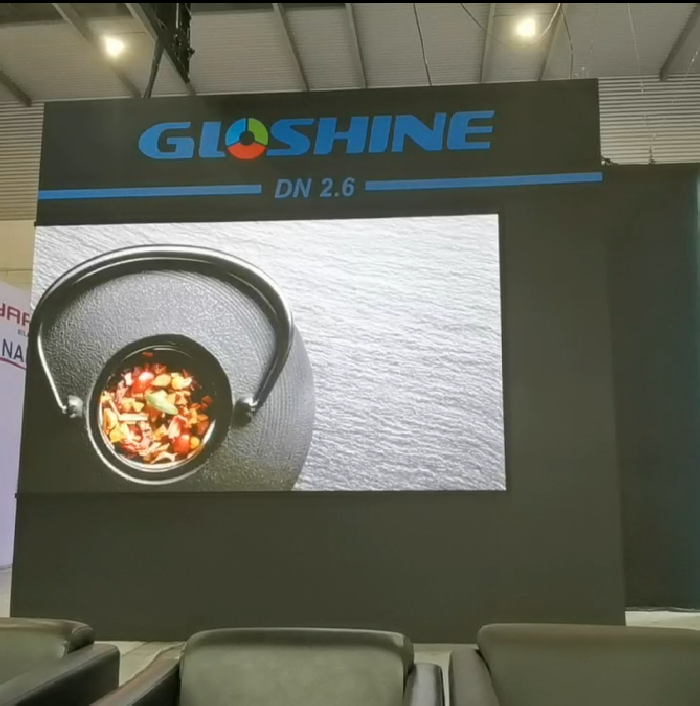
Understanding the Importance of Backlight in LED Panels
Before testing, it's important to recognize the role of backlight in an LED panel. Typically, backlight provides the necessary light to make the pixels visible. Without it, the screen may appear completely dark, even if the individual pixels are working properly. At GLOSHINE, our LED screen panels are designed to function efficiently in various lighting conditions, but understanding the panel’s condition without backlight is essential for evaluating its true capabilities.
When we deal with LED screen panels that lack a backlight, we focus on ensuring the integrity of the panel's internal circuitry, pixel layout, and color rendering quality. This step is crucial, especially when preparing for long-term use, as it helps to detect any issues in the panel's core components. Testing without the backlight also helps us assess the panel’s contrast ratio and clarity under different circumstances, which is essential for virtual studios and stage productions.
How to Test Pixel Functionality Without Backlight
Testing the pixels without a backlight requires using specialized tools, like a multimeter, to check the panel’s power supply and voltage. By doing so, we can confirm if the individual pixels are receiving the proper current. At GLOSHINE, LED screen display manufacturers make sure to integrate easy-to-access diagnostic tools that assist in such tests.
We also recommend checking for any dead or malfunctioning pixels. In most cases, dead pixels will not display any color, while malfunctioning pixels might show up as strange artifacts or colors. To perform the test, use a light source such as a flashlight or an external monitor to illuminate the panel. This will allow you to see the pixel structure, even without the backlight. By carefully examining the screen, you can spot any imperfections or non-responsive areas that need attention.
Assessing the Quality of Screen Components Without Backlight
When there is no backlight, assessing the LED screen panels’ overall quality becomes a bit more complicated, but not impossible. By focusing on the individual components, such as the LED diodes and the surface finish, you can gauge the screen’s overall functionality. If we were to perform such an evaluation here at GLOSHINE, we would check for uniformity in the diodes and ensure there’s no visible wear or damage to the screen’s surface. This process allows us to verify that the panel is not just functional but also durable.
Furthermore, testing the screen without the backlight gives us insights into how well the screen holds up to different forms of physical pressure and handling. The absence of the backlight highlights any structural weaknesses or issues with the screen’s design that might not be visible under normal conditions.
Conclusion
Testing LED screen panels without backlight is a crucial step in understanding the panel's true condition and performance. At GLOSHINE, we ensure that our products are tested under various conditions to meet the highest standards of quality and durability. While it may be more challenging, testing without backlight provides a clearer picture of the panel’s pixel functionality, internal components, and overall reliability. With the right tools and a systematic approach, we can confidently deliver high-quality, efficient LED screen panels that our customers trust.





 cn
cn en
en US
US es
es ru
ru pt
pt