Testing LED screen panels is a crucial process to ensure their functionality and performance. As a part of our work at GLOSHINE, we understand the importance of reliable and high-quality displays. In this article, we’ll walk you through the key steps and considerations when testing LED panels, and share some insights from our LED display factory experience.
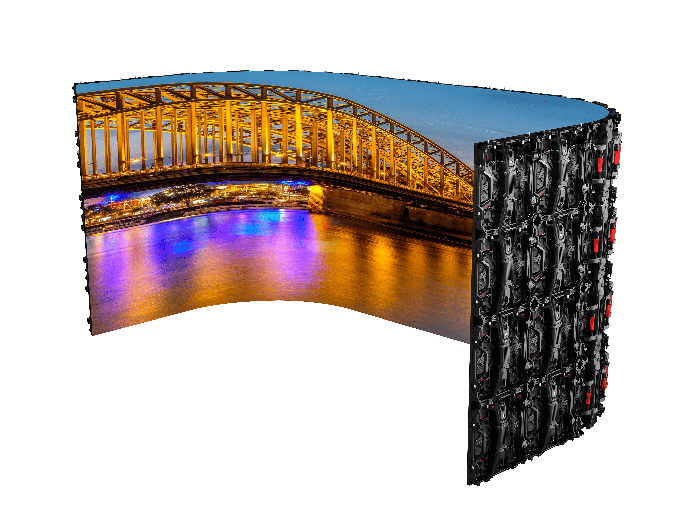
Understanding the Basics of LED Panel Testing
When we begin testing LED screen panels, the first step is to evaluate the overall display quality. We check several parameters, such as brightness, color accuracy, and contrast ratio. These factors are essential for creating vivid, sharp images that meet industry standards.
At GLOSHINE, we test different pixel pitches ranging from 1.9mm to 3.9mm to ensure each LED panel offers clear and detailed visuals. To assess this, we use color calibration tools to verify the RGB levels and brightness uniformity. We also look for any color shifting or inconsistencies, which could be signs of a defect or poor manufacturing.
Performance Testing: Refresh Rate and Gray Scale
Another critical aspect of LED screen panel testing is checking the refresh rate and gray scale. GLOSHINE prioritizes high refresh rates (≥3840Hz) for smooth and flicker-free performance, especially for applications in studios and virtual productions. A stable and consistent refresh rate is necessary to avoid issues like ghosting or tearing during fast-moving scenes.
We also assess the gray scale by running a series of images at different brightness levels. LED display panels with 16-bit gray scale provide superior tonal gradation, contributing to lifelike visuals in various lighting conditions.
Durability and Maintenance: Ensuring Longevity
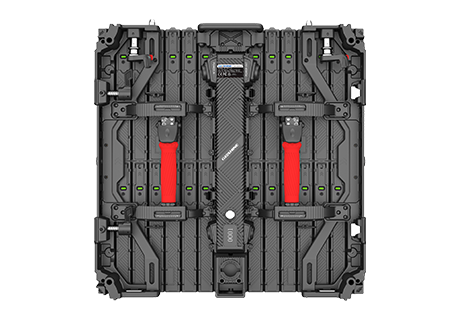
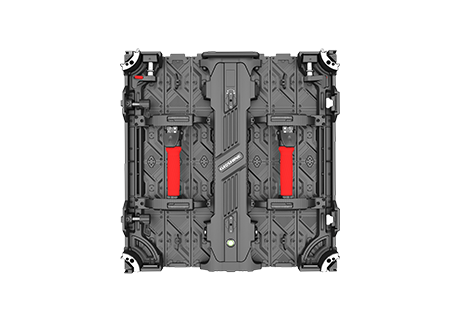
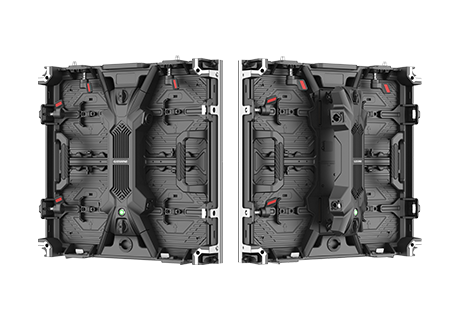
One of the unique features of GLOSHINE LED screen panels is the lightweight, fanless design, which not only contributes to silent operation but also enhances durability. During testing, we simulate long-term use and extreme environmental conditions to ensure the panels will maintain their performance over time.
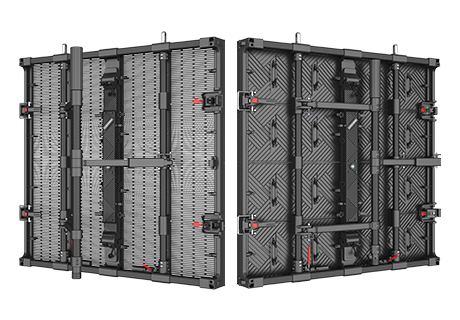
Additionally, we conduct tests for ease of maintenance. The magnetic front service modules in our LED display factory make it easier to access and repair components without disrupting the entire panel. This is particularly useful in high-demand settings such as live events or broadcasting studios.
Conclusion
Testing LED screen panels is essential to guarantee they perform as expected in real-world environments. At GLOSHINE, we focus on key aspects such as color accuracy, refresh rates, and durability to ensure our products meet high industry standards. By carefully testing each LED panel, we provide our clients with reliable, long-lasting solutions for a wide range of applications. Quality control doesn’t end with manufacturing—it’s a continuous process that we take seriously at every stage.





 cn
cn en
en US
US es
es ru
ru pt
pt