When you're in the world of LED screens, whether for LED display wholesale or fixed installations, data flow is a fundamental aspect that affects performance. At GLOSHINE, we've spent years refining the technology behind our displays, ensuring that data transmission is optimized for clarity and efficiency. But what exactly happens behind the scenes when data flows through an LED panel? Let's break it down.
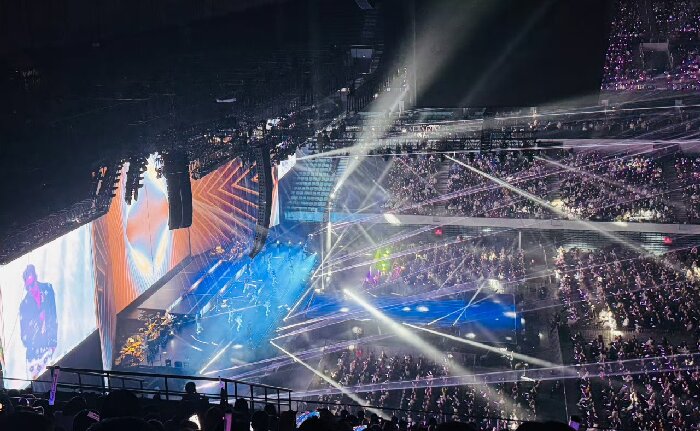
Data Transmission in LED Displays
The journey of data starts at the source, where video signals or image data are generated. For an LED screen, the data needs to travel from a processor to each individual LED light to display images or video. This transmission is made possible by using high-speed data cables that connect to the control systems. For those of us at GLOSHINE, this step is critical, and we've invested in advanced systems that ensure there is minimal lag in transferring data to the panel, even when it's receiving high-resolution content. Our LED display wholesale clients benefit from displays that can handle intense data streams smoothly, ensuring no pixel is left behind.
The Role of Drivers and Controllers
Once the data reaches the LED screen, it passes through various drivers and controllers that help manage how the signal is displayed on each pixel. These components are key to ensuring that the image on the screen is accurately reproduced. Without these controllers, the data wouldn't be processed correctly, and the colors and resolution would suffer. At GLOSHINE, we design our drivers to maximize the performance of our LED displays, making sure that every display is as vibrant and true to the source as possible.
Data Sync and Calibration for XR Displays
In specialized setups like extended reality (XR) environments, synchronization of data across multiple screens is crucial. Data synchronization ensures that multiple screens, whether for virtual sets or stage setups, show the same content at exactly the same time. GLOSHINE takes this to the next level with advanced calibration techniques that ensure each screen in an XR display is aligned perfectly, providing a unified, immersive experience. Our technology allows for smooth transitions between panels, even in high-energy environments like virtual production.
Conclusion
In the world of LED screens, understanding how data runs through the system is essential for creating top-notch displays. The journey from source to panel involves complex data transmission, processing through controllers, and calibration for applications like XR. At GLOSHINE, we prioritize creating LED displays that ensure data runs seamlessly, resulting in high-quality, reliable visual experiences. Whether for LED display wholesale or custom installations, we are committed to providing the best technology to our clients.




 cn
cn en
en US
US es
es ru
ru pt
pt